The small earthquake last month is a good reminder on how we can prepare and react to earthquakes in our rural Kings Mountain community. Limited access to immediate emergency services, longer response times, and infrastructure challenges mean it’s especially important that every household is prepared. Taking simple steps now can protect your family, your property, and your neighbors.
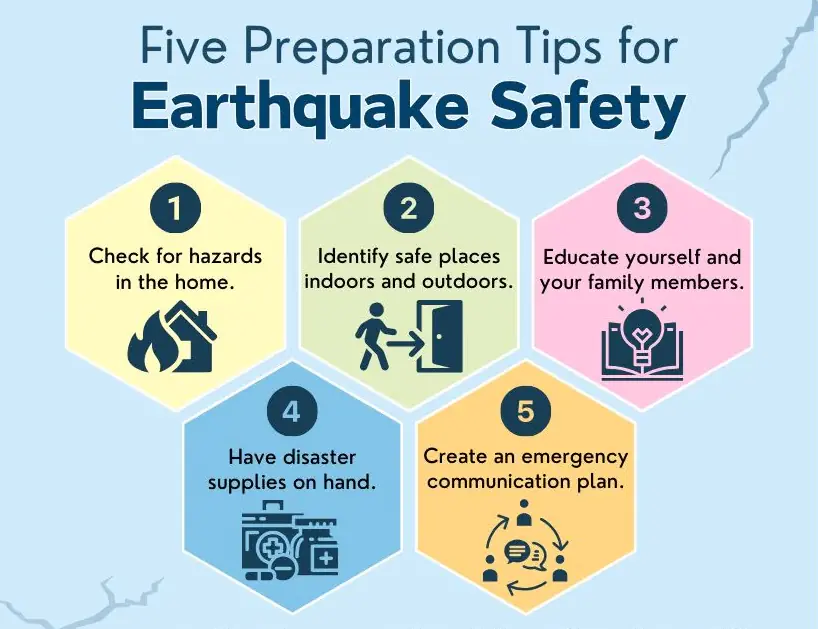
Before an Earthquake
- Build a kit: Include water (1 gallon per person per day for at least 3 days), non-perishable food, medications, flashlight, batteries, first aid supplies, and a battery-powered radio. Don’t forget supplies for livestock and pets.
- Secure your space: Anchor heavy furniture, book cases, water heaters, and propane tanks. Store breakables low. Ensure exits are clear.
- Plan communication: Cell service may be unreliable. Choose an out-of-area contact to coordinate information sharing and agree on a family meeting place.
- Know your utilities: Learn how to safely shut off propane, water, and electricity.
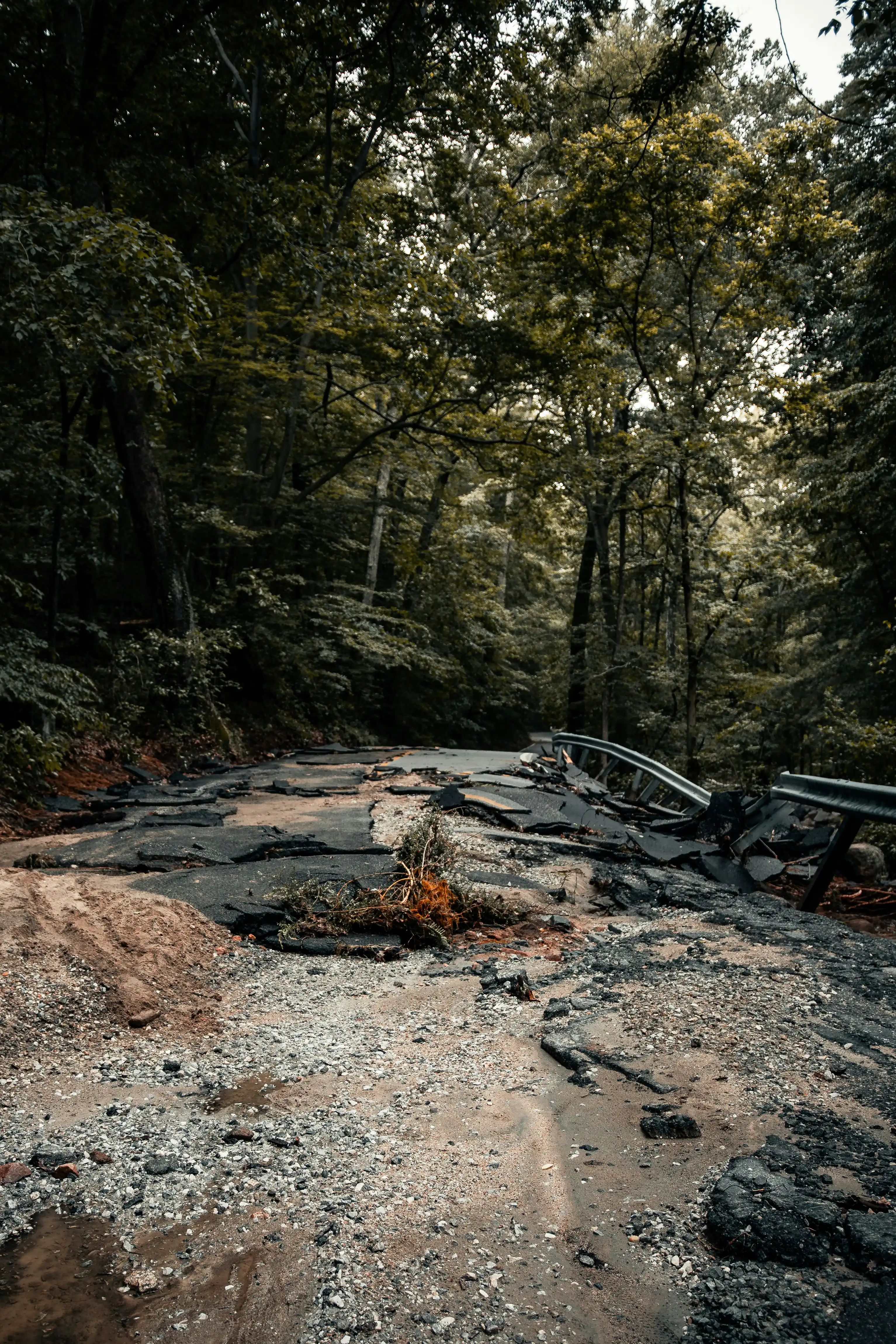
- Prepare for isolation: Rural roads and bridges may be blocked—plan to be self-sufficient for several days.
During an Earthquake
- Drop, Cover, and Hold On: Get low, protect your head and neck, and take cover under sturdy furniture or against an interior wall.
- Stay inside until shaking stops. If outdoors, move to an open area away from buildings, trees, and power lines.
- If driving, pull over safely and stay in the vehicle until the shaking stops.
After an Earthquake
- Check for injuries and hazards: Provide first aid, look for fires, propane leaks, and downed lines. If you smell propane, evacuate, call 911, and avoid using open flames or switches.
- Expect aftershocks: They can cause additional damage—stay alert.
- Limit cell phone use: Keep lines open for emergencies.
- Help neighbors: Especially seniors, those with disabilities, and families with limited resources.
- Follow official guidance: Check for SMC Alerts and use a battery-powered radio for updates.
Special Rural Considerations
- Water sources: Supply lines and storage tanks may be disrupted—store extra water.
- Access routes: Have alternate paths in and out of your property.
- Equipment safety: Secure large equipment, fuel storage, and tools to prevent hazards.
Preparedness is a shared responsibility. By planning ahead, we strengthen not only our own households but the resilience of our entire community.
For more information or assistance with preparedness planning, check out the Resources page, and make sure you and your family are signed up for SMC Alert.