In recent years, California state leaders have launched a series of actions and investments to confront the increased wildfire risk experienced in the state. Through emergency action to fast-track nearly 400 wildfire resilience projects, investments for wildfire prevention/protection and giving communities the tools to be ready for when the next catastrophic wildfire starts, California is taking action to protect communities, keep wildfires from growing more destructive and supporting firefighters and first responders.
Following the devastating Los Angeles fires in January 2025, state leadership tasked the California Board of Forestry and Fire Protection with strengthening defensible space standards by focusing on a new area, called Zone 0, that includes the first five feet around homes and structures. Research, fire science and experience shows that this is the most critical area for protecting your home, your neighbors’ homes and the community around you. It’s where wind-blown embers are most likely to land, and where homes are most vulnerable to ignition.
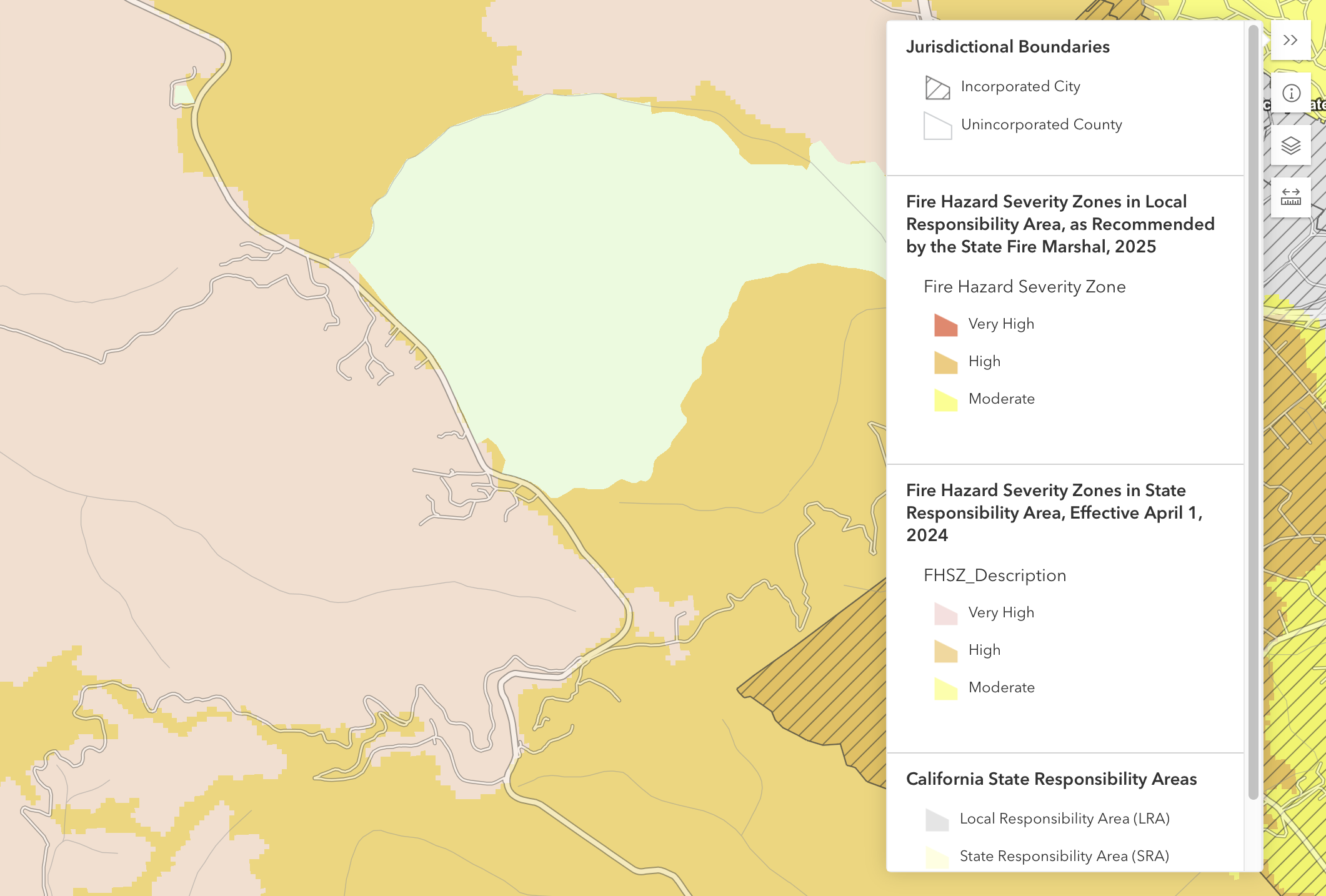
Assembly Bill 3074 (2020), Senate Bill 504 (2024), Assembly Bill 1455 (2025) and Governor Newsom’s Executive Order N-18-25 directed the California Board of Forestry and Fire Protection to develop new defensible space regulations for Zone 0 in certain fire-prone areas of the state. One key goal of the Zone 0 rulemaking process is to give California homeowners time, resources and guidance to make changes effectively and affordably while improving fire safety for communities. This happens through a phased-in timeline for different activities in different zones within Zone 0. The rule will require all property owners in State Responsibility Areas (SRAs) and Very High Fire Hazard Severity Zones in the Local Responsibility Area (LRA) to reduce combustible materials within the first 5 feet of homes and other structures. This draft seeks to balance fire mitigation with other property considerations, while allowing plants and trees in parts of Zone 0.
Implementation is designed to take place in two phases with education, outreach and progress towards compliance serving as the longer-term goal. The focus of inspections will be on helping homeowners identify issues at their homes, develop strategies over time and prioritize actions for fire protection and mitigation. For homeowners, the goal is to begin making measurable progress and demonstrate effort over a five-year period. While Zone 0 requirements will apply to new construction upon adoption of the regulation, existing homes and structures can implement actions in phases over time:
PHASE 1 (Implemented within the first 3 years)
Includes removing combustible items such as firewood, dead leaves and branches, mulch and wood chips within 5 feet of the structure. Also includes cleaning gutters, removing dead and dying plants, trimming trees according to regulations and implementing or adjusting for allowable vegetation during this time period.
PHASE 2 (Implemented within 5 years, with the exact timeline to be decided by the local jurisdiction)
Local jurisdictions will assign a timeline, within 5 years of the effective date of the regulations, for the creation of an under-eave safety zone, replacing combustible gates and making any necessary adjustments to sheds and fencing.
For next month’s Chief ’s chat, I’ll provide more specifics on the planned regulations. In the meantime, here are resources to find out more regarding the proposed regulations, home hardening and defensible space: